 English Harbour · Antigua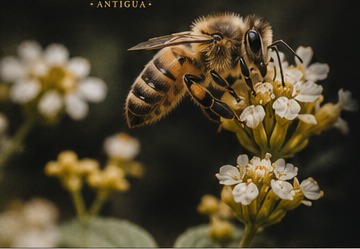
 01
01
The queen
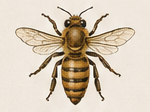
Usually one queen lives in a healthy colony. She lays the eggs that become the next generation and produces pheromones that help the colony remain organised.
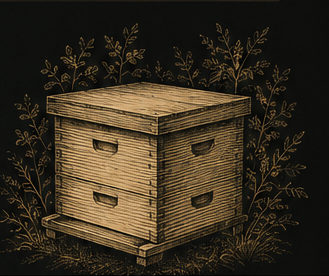
Our bees are the heart of Old Fort Honey Co. We provide clean hives, dependable water, thoughtful management and the space they need to grow at their own natural pace.
Our managed bees are honey bees, Apis mellifera. A hive is not simply a box filled with individual insects—it is one living colony whose members work together to survive, raise young and respond to changing conditions.
Every bee has a role. Workers care for brood, build comb, clean the hive, guard the entrance, regulate temperature and collect resources. The queen maintains the colony’s population, while drones support reproduction.
01
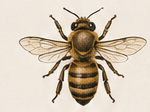
Usually one queen lives in a healthy colony. She lays the eggs that become the next generation and produces pheromones that help the colony remain organised.
 02
02
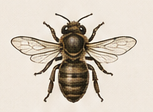
Workers are female bees. They perform almost every task in the colony—from nursing larvae and making wax to gathering nectar, pollen, water and plant resins.
 03
03
Drones are male bees. Their main biological role is to mate with a queen from another colony. They do not gather nectar or pollen and do not have a worker’s sting.
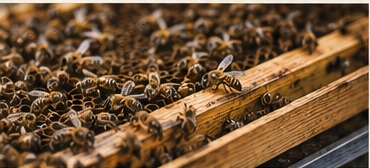
The number changes throughout the year. A strong full-sized colony during an active period may contain approximately:
During periods of limited forage, after a swarm, or while a young colony is building, the population can be much smaller. Colony size depends on the queen, food supply, weather, available space and the health of the bees.
These numbers are estimates, not production targets. We judge each hive by its own strength and needs.
A healthy colony depends on a varied landscape. Foragers collect four main resources, each serving a different purpose inside the hive.
A carbohydrate-rich liquid gathered from flowers. Bees reduce its moisture and transform it into honey for energy and long-term food storage.
The colony’s main source of protein, fats, vitamins and minerals. It is especially important for nurse bees and developing brood.
Used to cool the hive, dilute food and help regulate temperature during Antigua’s hottest periods.
Plant resins used to seal small gaps and coat surfaces, helping the colony maintain a clean, protected nest environment.
Honey bees are generalist foragers and may visit many different flowering plants. The examples below represent plants found in Antigua and the wider English Harbour landscape that may offer nectar, pollen or both. We will continue recording what our colonies actually use through each season.
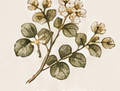
Coccoloba uvifera
Coastal flowering tree
Delonix regia
Brilliant seasonal bloom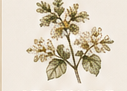
Lysiloma latisiliquum
Dry-woodland tree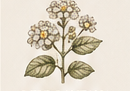
Lantana camara
Long-flowering shrub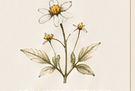
Bidens pilosa
Small, steady wildflower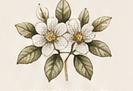
Psidium guajava
Fruit-tree blossom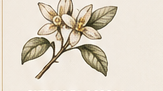
Citrus species
Aromatic orchard bloomAntigua does not have the four sharply divided seasons of a temperate climate. Colony growth follows the availability of flowers, water and suitable flying weather. Every year is different, so the hive—not the calendar—guides our decisions.
Rainfall is usually lower. Flowering may become patchier during drought, so strong natural stores and dependable water are particularly important.
Scattered rains can bring new growth and fresh bloom. Colony populations may begin expanding when pollen and nectar become more available.
Vegetation often becomes more abundant, but heavy rain and strong winds can temporarily keep foragers inside. Flowering and harvest opportunities vary by year.
We assess colony strength, brood, stored food and available forage as conditions begin moving back toward the drier part of the year.
Foragers communicate productive food sources using movement and scent. Honey bees generally work most efficiently close to home, although they can travel much farther when necessary.
Every trip carries tiny grains of pollen from flower to flower. This accidental transfer supports fruit and seed production and links the colony to the wider ecosystem around English Harbour.
Healthy bees make the best honey. We therefore manage the colony for long-term strength rather than short-term extraction.
Our aim is to build healthy colonies, encourage greater awareness of pollinators and produce genuinely local honey without forgetting who made it.